
ZegeneX Selected to Present at the 2026 New York Venture Summit
ZegeneX will present Zegen-X5, an investigational, preclinical shelf-stable topical therapy for diabetic foot ulcers, at the 2026 New York Venture Summit.
Deep-dives into small-molecule wound care mechanisms, preclinical study findings, global healthcare access, and recognized media coverage.
Zegenex's work has been recognized by leading media outlets, research institutions and industry publications.
Read in-depth editorial comparisons on chronic wound treatments, diabetic foot ulcer standard of care, and sports medicine trauma.
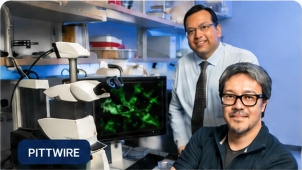
Official University of Pittsburgh spinout milestones, laboratory discoveries, and press features.
ZegeneX will present Zegen-X5, an investigational, preclinical shelf-stable topical therapy for diabetic foot ulcers, at the 2026 New York Venture Summit.
Zegenex has been named to Technical.ly's RealLIST Startups 2026, the publication's yearly list of Pittsburgh's most promising early-stage companies.
Researchers at the University of Pittsburgh are exploring how zebrafish could unlock new possibilities in wound healing and regenerative medicine.
A closer look at how zebrafish research is helping scientists understand complex healing processes — and what it could mean for future treatments.
The event highlighted groundbreaking research, innovation and the growing entrepreneurial ecosystem at Pitt.
In-depth clinical comparisons, US diabetic foot ulcer treatment insights, and acute sports trauma regeneration reports.
Why do promising diabetic foot ulcer therapies miss their endpoints? Often it is the control arm, the endpoint or the trial design, not the biology alone. Read our analysis of what makes DFU trials hold up.
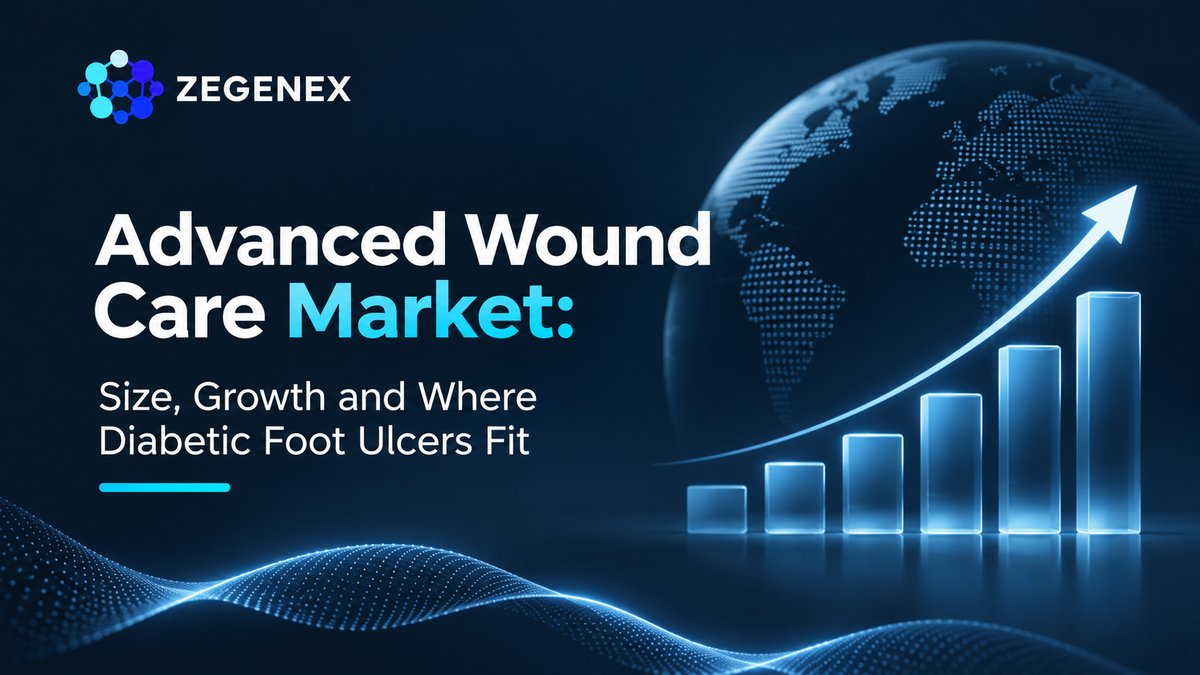
Published estimates of the advanced wound care market differ widely by publisher and scope. This analysis compares global and US figures, the drivers behind them and where diabetic foot ulcers fit.
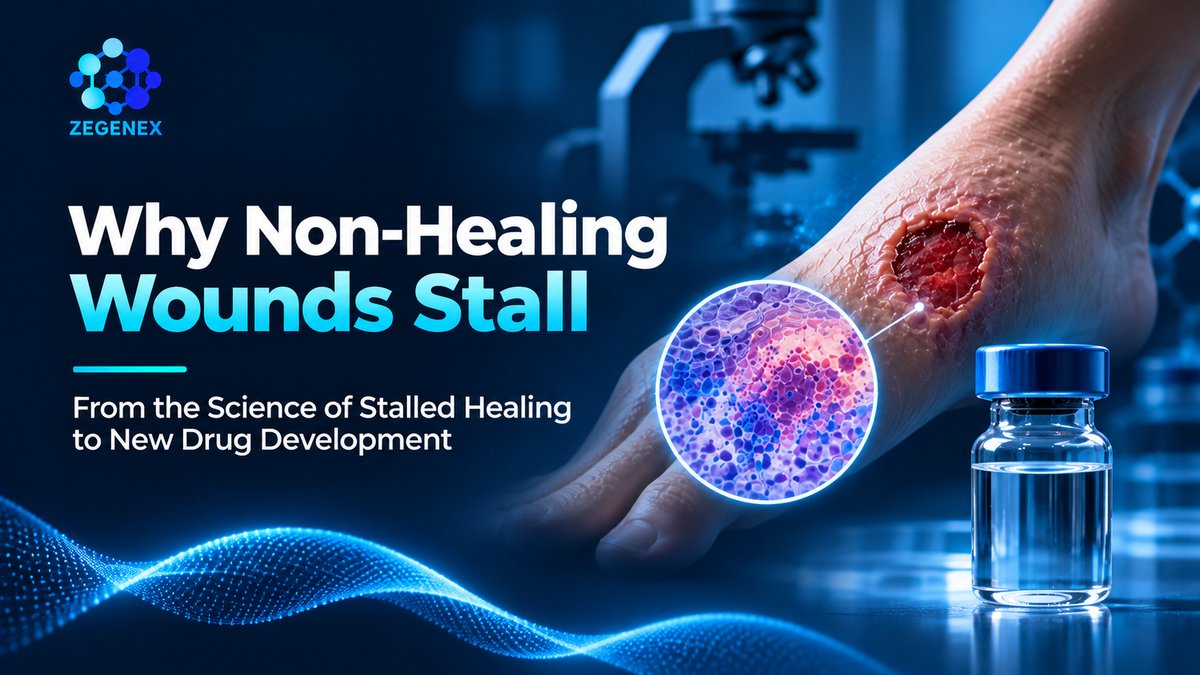
Why non-healing wounds stall in inflammation, how preclinical models work, and what each step from IND to Phase II means for investors.
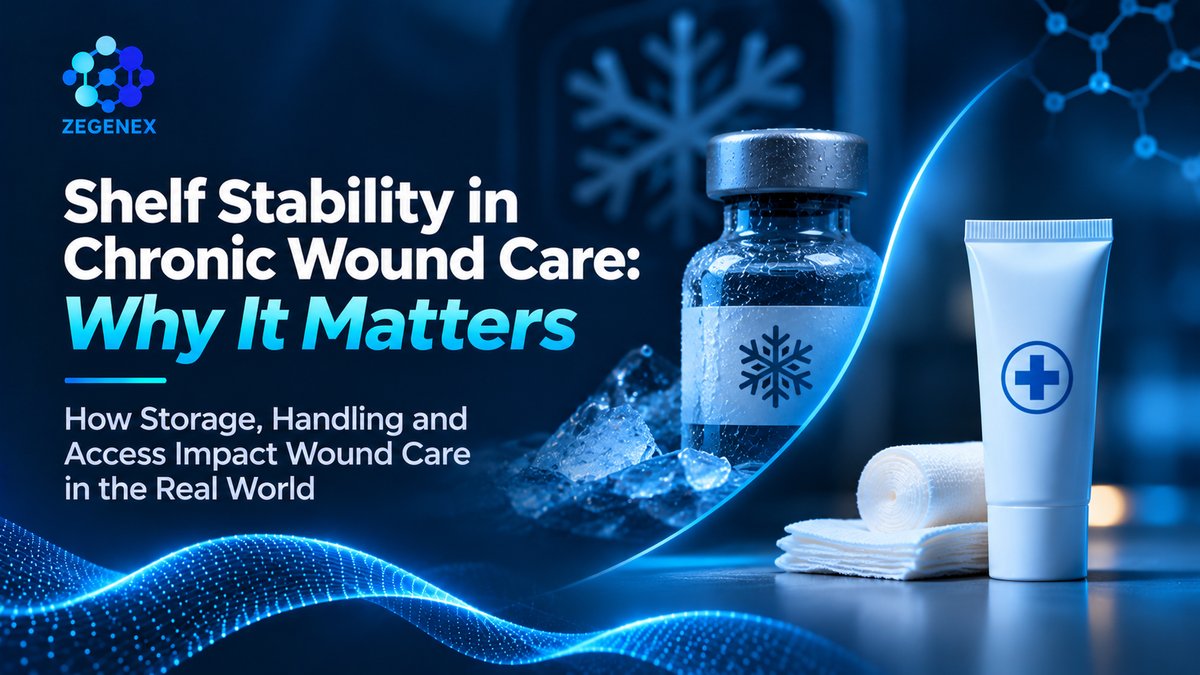
How cold chain, handling and storage shape access, waste and cost in chronic wound care, and what investors should weigh in shelf-stable products.
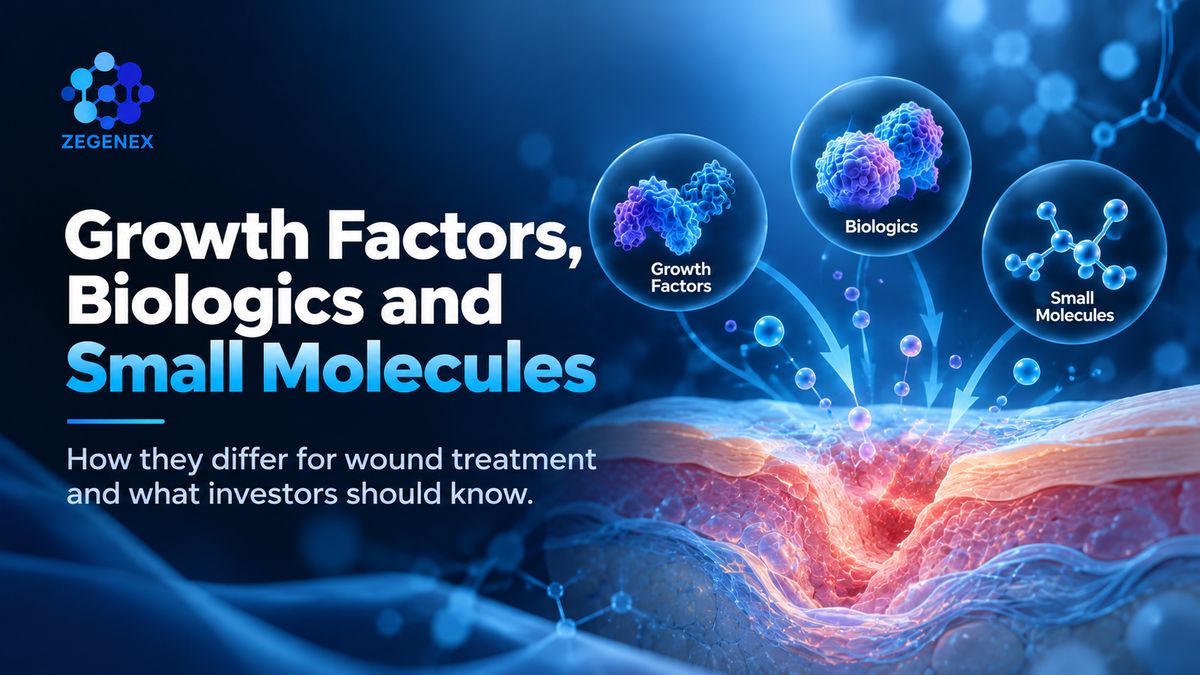
Growth factors, biologics and small molecules compared for chronic wound treatment: how each works, handling, manufacturing and what investors should watch.
How diabetic foot ulcer treatment works in US today, where standard care falls short, and which milestones investors should watch next.
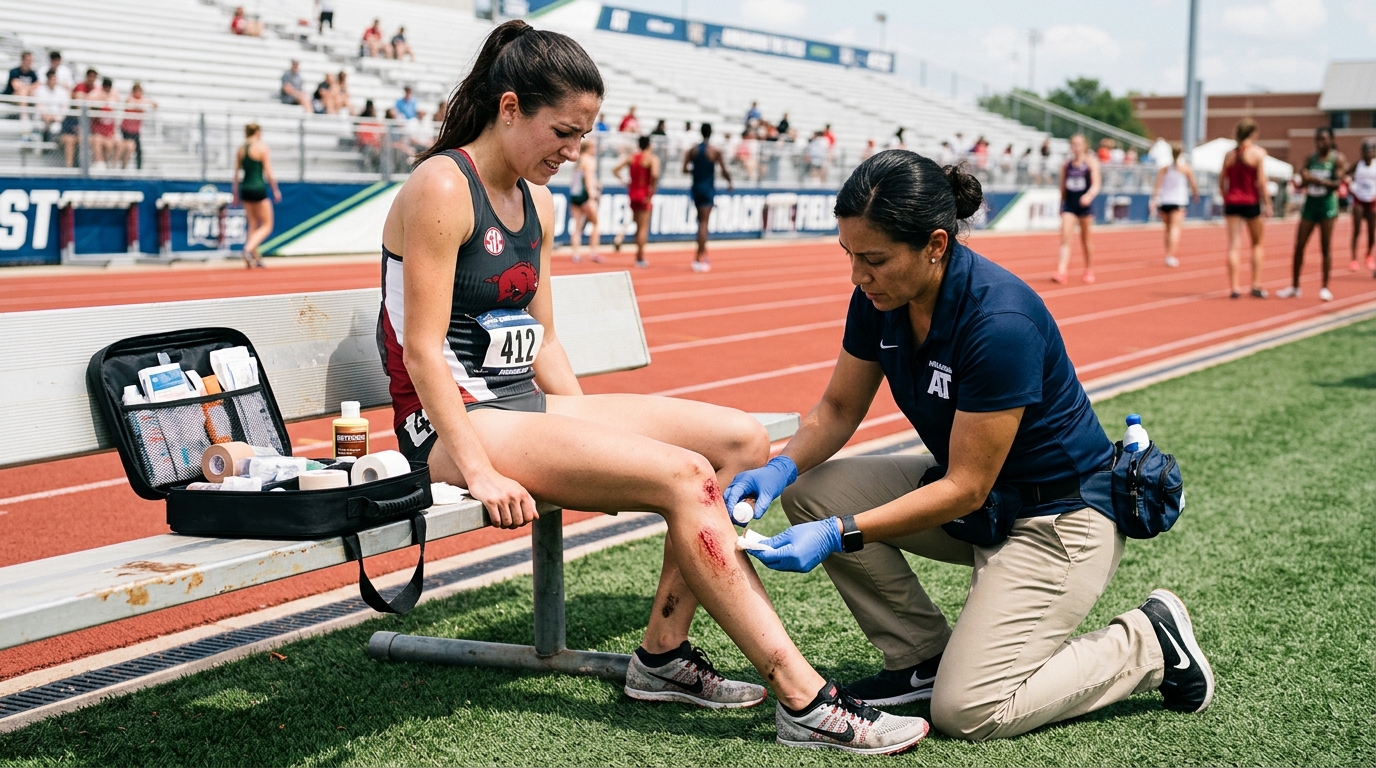
More than 8.6 million sports and athletic injuries occur across the United States each year, where turf burns, deep lacerations, and post-surgical incisions sideline athletes and risk infection.
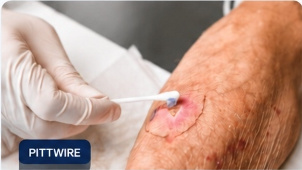
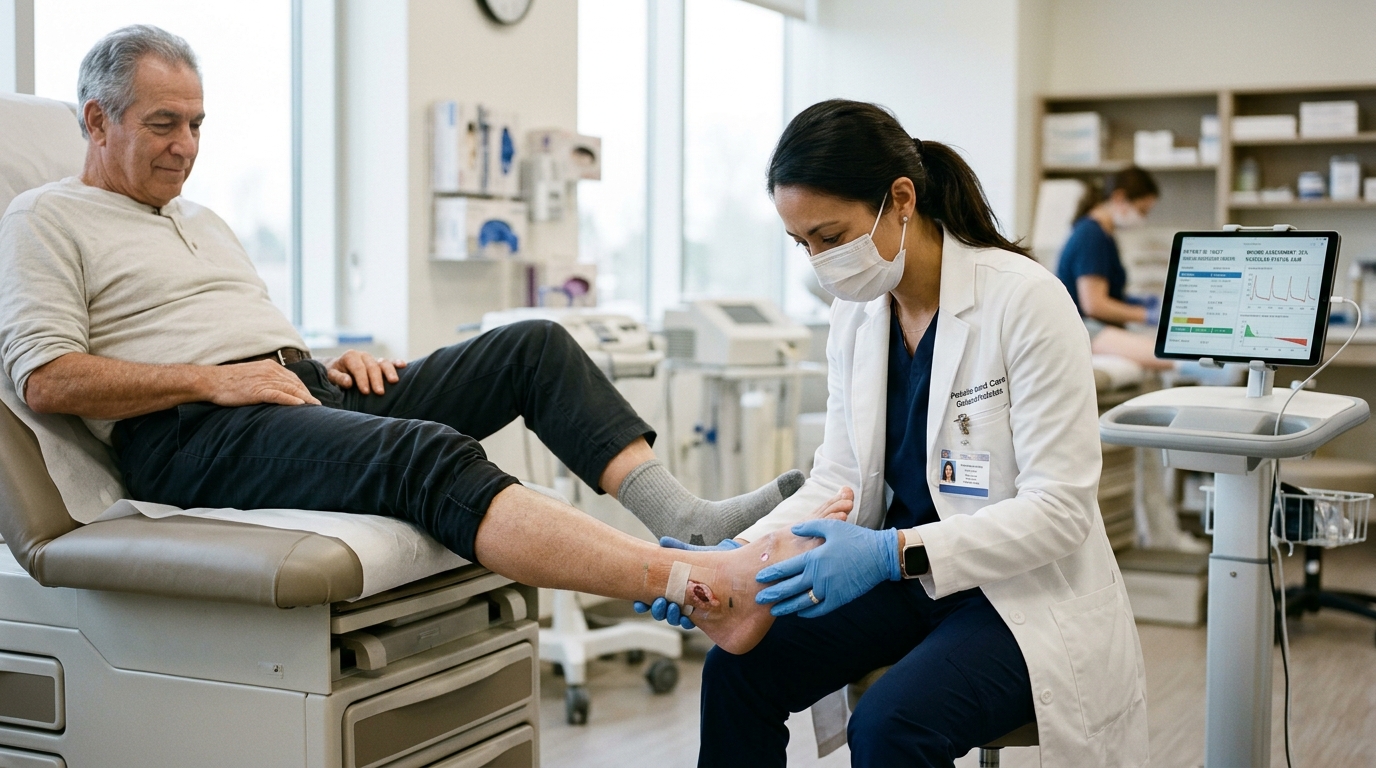
Diabetic foot ulcers are a common and serious complication of diabetes in US. This overview covers why they are slow to heal and where current care falls short.
We work with strategic biopharma partners, foundation grants, and visionary investors who share our conviction that healing should be universal — not constrained by infrastructure, refrigeration, or geography.